Commercial lighting is becoming smarter, more efficient, and easier to maintain. Learn what HOA boards and commercial property managers should expect from emerging lighting technologies—and why proper maintenance remains essential.

Commercial lighting is becoming smarter, more efficient, and easier to maintain. Learn what HOA boards and commercial property managers should expect from emerging lighting technologies—and why proper maintenance remains essential.
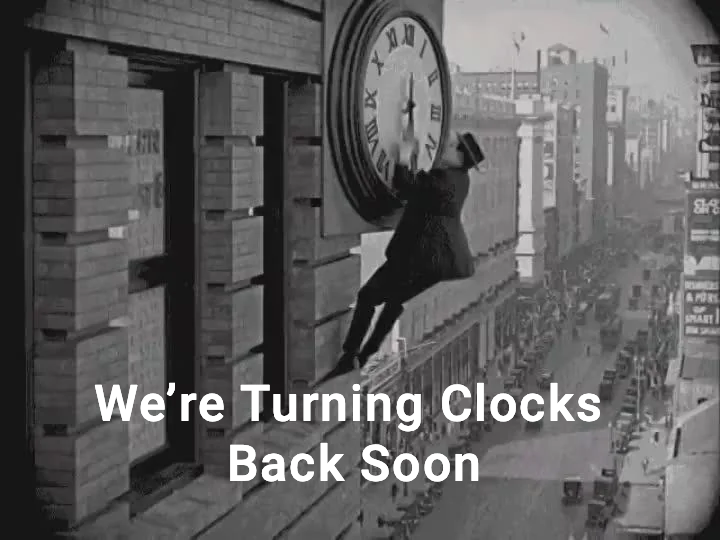
Shorter fall days can expose exterior lighting problems that went unnoticed all summer. Learn why Daylight Saving Time is the perfect reminder for HOA and property managers to inspect timers, controls, fixtures, walkways, parking areas and other exterior lighting.

Knowing when to repair a lighting fixture—and when it’s time to replace it—can save your HOA thousands of dollars while improving safety, reliability, and curb appeal.
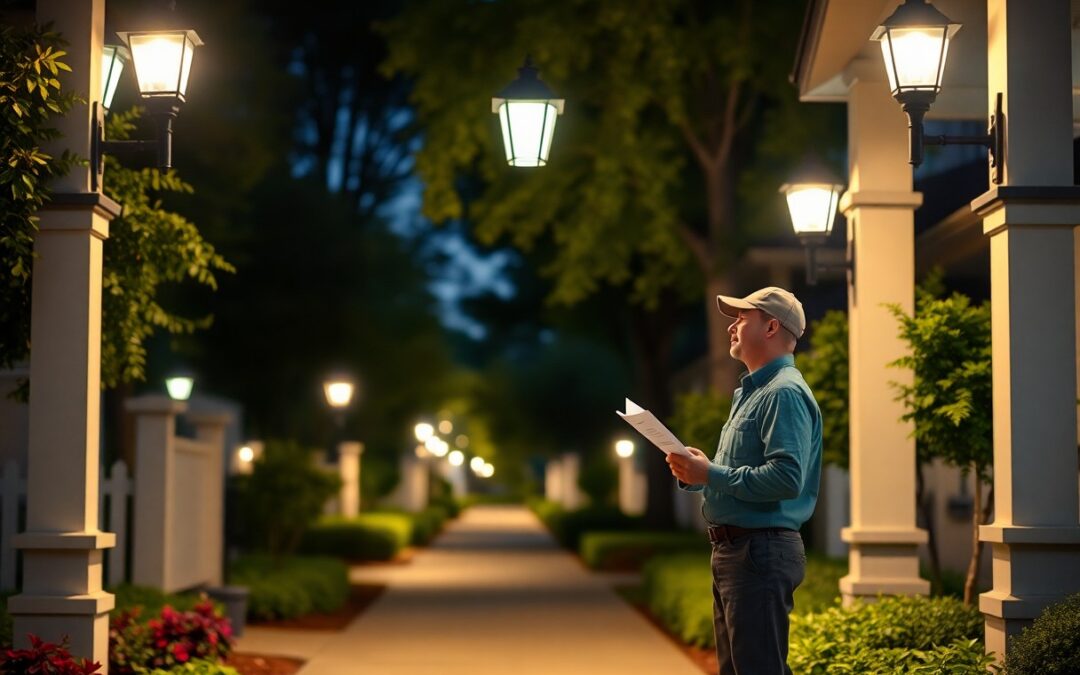
Many lighting problems aren’t visible during the day. Discover the hidden risks and costs of skipping regular night inspections for your HOA or commercial property.

New energy codes taking effect in 2026 are changing how buildings manage lighting, controls, and efficiency. Here’s what property owners need to know to stay compliant and reduce costs.
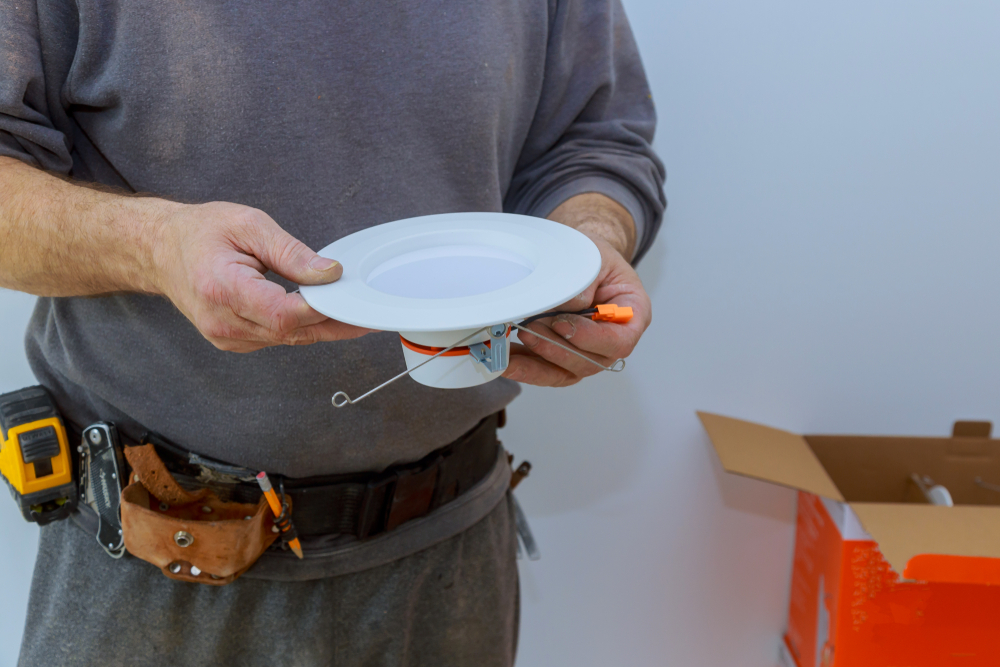
From burnt-out lights to poor coverage and outdated systems, HOA lighting issues can create safety risks and costly liability. Here are the top problems—and how to fix them.
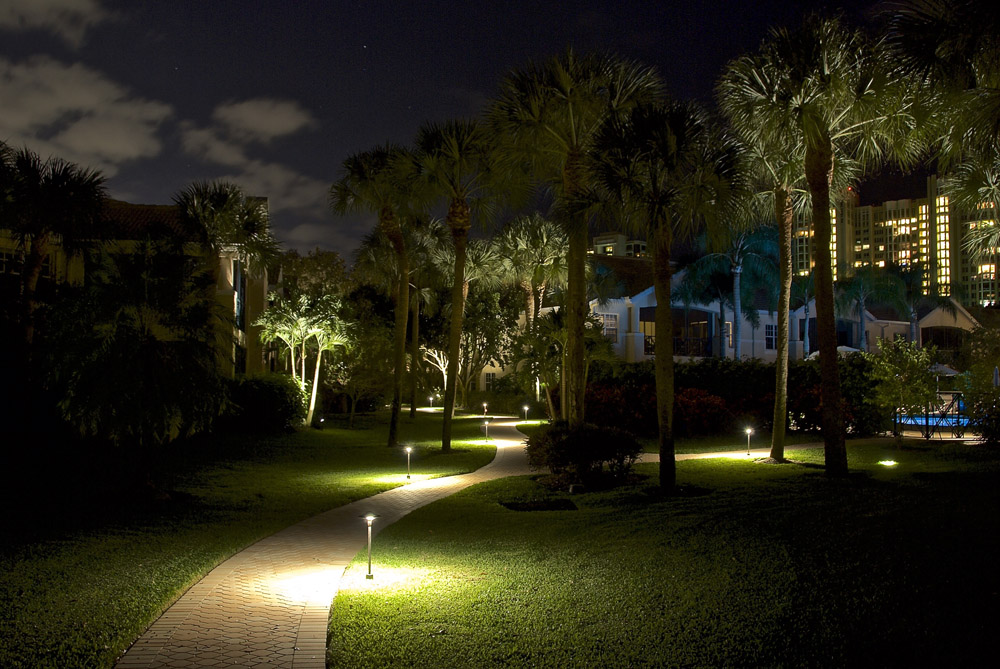
Types of Lighting Used in HOA Communities Is LED The Right Solution? Lighting plays a critical role in the safety, appearance, and functionality of Homeowner Association (HOA) communities. From parking lots and pathways to clubhouses and landscape features, different...
Nevada HOA lighting regulations prioritize community appearance, safety, and preventing light pollution. Most exterior fixtures require Architectural Review Committee (ARC) approval, and associations often mandate shielded, downward-facing lights, warm white LEDs, and limits on brightness and spillover. Homeowners must follow CC&Rs for placement, timing, and sensor requirements while keeping glare away from neighboring properties. Although HOAs maintain broad authority, Nevada law protects reasonable solar panel use and certain religious displays, so restrictions cannot be overly broad.
Proper emergency lighting — especially in common areas such as stairwells, hallways, garages, and exit paths — isn’t just nice to have; in many cases, it’s essential for compliance with building codes and for protecting residents.

Learn how HOA and commercial properties in Las Vegas are achieving impressive ROI through energy-efficient lighting upgrades. See real-world examples of cost savings, performance, and sustainability benefits.
 Call Now!